

News and Updates
Understanding the psychological triggers that drive gambling behavior

Understanding the psychological triggers that drive gambling behavior
The Thrill of Uncertainty
The allure of gambling often lies in the thrill of uncertainty. Players are drawn to the unpredictability of outcomes, where every spin of the wheel or flip of a card can lead to a dramatic change in fortune. This element of surprise activates the brain’s reward system, releasing dopamine, a neurotransmitter associated with pleasure and reward. This biochemical response can create a cycle of excitement that keeps players returning for more, often blurring the line between entertainment and compulsion. Many enthusiasts seek options like non-GamStop casinos to break free from restrictions when they pursue their gaming adventures.
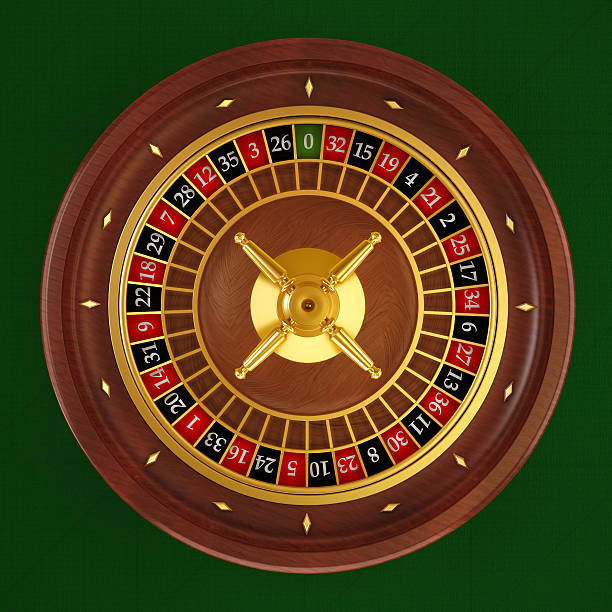
Moreover, the anticipation involved in gambling can be intoxicating. The moment leading up to a potential win, whether it’s waiting for the dice to land or the last card to be drawn, can create an adrenaline rush that many find exhilarating. This emotional high can reinforce gambling behavior, making it a captivating yet potentially harmful pursuit.
Social Influences and Peer Pressure
Social dynamics play a significant role in gambling behavior. Many people are introduced to gambling through friends or family, and the social context can amplify the experience. Group outings to casinos or participating in sports betting can create a sense of camaraderie that enhances the enjoyment of gambling. This social aspect can lead to increased participation, as individuals feel compelled to join in and not miss out.
Additionally, witnessing others win can fuel the desire to gamble. Observing friends or even strangers hit jackpots can generate feelings of envy and competition, pushing individuals to gamble more in hopes of achieving similar success. This social pressure can lead to a habitual reliance on gambling as a way to bond with others, further entrenching these behaviors.
The Influence of Marketing and Promotion
Marketing strategies employed by casinos and online gaming platforms can significantly influence gambling behavior. The use of enticing advertisements, special promotions, and loyalty rewards creates an environment where players feel they are receiving value. These promotions often highlight the potential for large wins, tapping into the psychological triggers of hope and aspiration.
Furthermore, the use of bright colors, sounds, and visuals in casinos is designed to create an immersive experience that keeps players engaged. The strategic layout of gaming machines and tables encourages prolonged play, making it easier for individuals to lose track of time and money. As a result, the combination of marketing tactics and environmental design can lead to compulsive gambling behavior.
Cognitive Biases and Illusions of Control
Cognitive biases also play a significant role in shaping gambling behavior. Many gamblers fall victim to the illusion of control, believing they can influence outcomes through strategies or superstitions. This false sense of empowerment can lead players to engage in riskier bets, as they may overestimate their ability to predict results.
Moreover, gamblers often misinterpret random events, falling prey to the gambler’s fallacy—thinking that past outcomes will influence future results. This mindset can result in chasing losses, as individuals continue to gamble in hopes of reversing their fortunes. Understanding these cognitive biases can be critical for both gamblers and those looking to support them in breaking the cycle of compulsive gambling.

Empowering Choices with Informed Decision-Making
The Best Non GamStop Casinos platform provides valuable resources for individuals seeking flexible gambling options. By offering insights into various casinos, players can make informed decisions that align with their preferences and gaming habits. This empowerment helps to ensure a more enjoyable and responsible gambling experience.
With expert reviews and a focus on user safety, the platform aims to demystify the gambling landscape, enabling players to navigate it with confidence. By understanding the psychological triggers that drive gambling behavior, users can engage in a manner that maximizes enjoyment while minimizing risks. Exploring unique betting opportunities and educating oneself about responsible gambling can lead to a fulfilling experience in this thrilling realm.


